



Smart Ways to Play Sweet Bonanza: An Honest Aussie Guide
Developer:
Pragmatic Play
Slot Type:
Slot
Payout Variance:
Volatile
Return Rate:
96.53%
Minimum Stake:
0.2
Maximum Bet:
300
Auto Spin:
Yeah
Released On:
01.06.2024
Search "Sweet Bonanza strategy" and the internet's full of dodgy promises — secret systems, guaranteed wins, foolproof patterns. This guide takes a different angle. Sweet Bonanza is a high-volatility pokie with a 3.49% house edge, and no betting system changes that maths. What punters can actually control is bankroll, bet size, and whether to bother with Ante Bet or Bonus Buy. The result isn't a way to beat the game — it's a way to make a defined budget last longer and avoid the most expensive mistakes.
The Three Numbers That Run the Whole Show
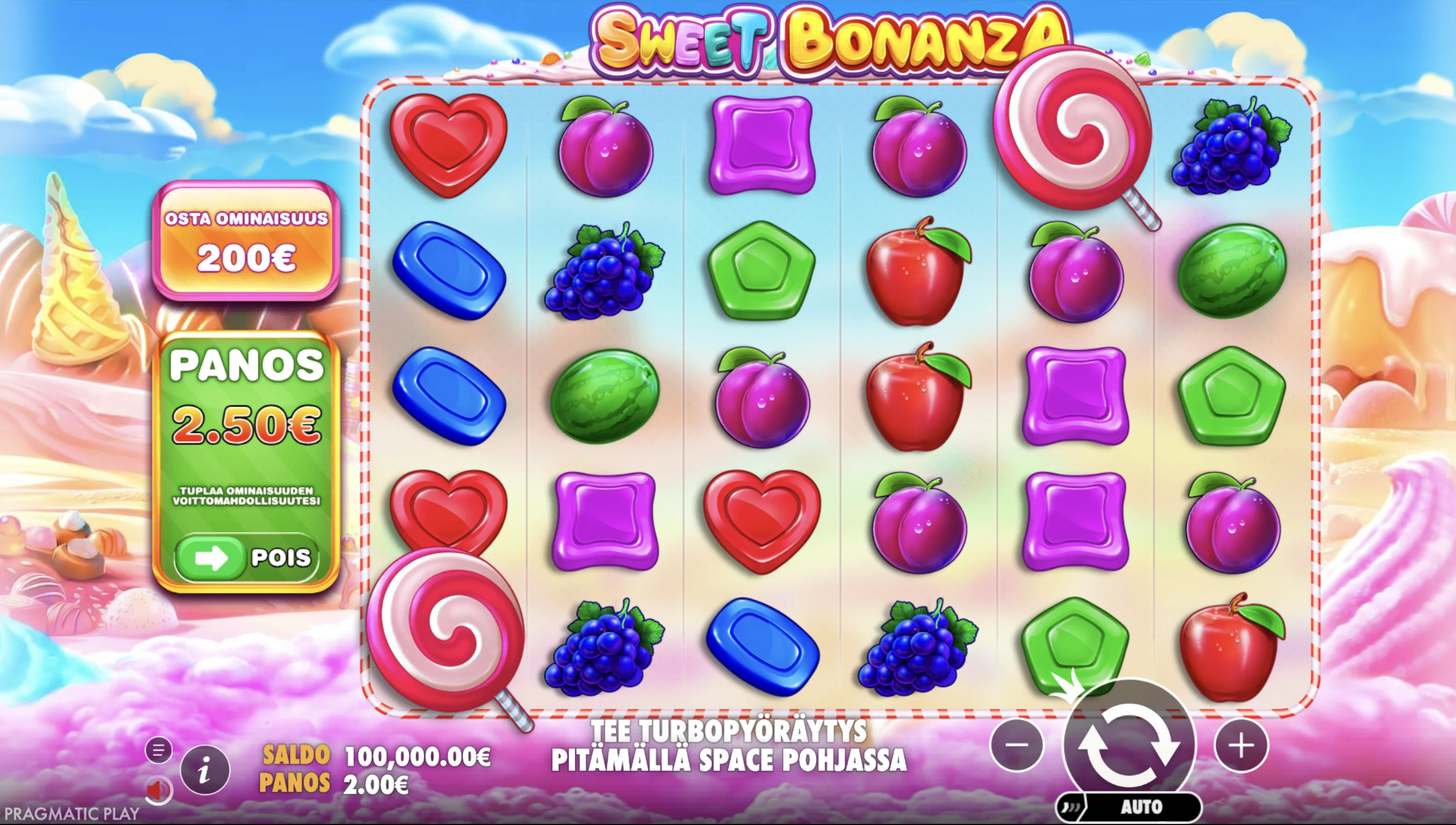
Three terms come up in every honest pokies discussion. Worth getting them straight.
RTP stands for return to player. Sweet Bonanza's standard 96.51% means that across millions of spins, the game pays back about 96.51 cents per dollar wagered. That figure is not a guarantee for any single session — it's a long-run average that only emerges across enormous sample sizes.
Volatility describes how those payouts get distributed. High volatility means long stretches with no big wins, then occasional huge ones. Sweet Bonanza is officially classified high volatility, and every aspect of strategy flows from that fact.
House edge is just 100% minus RTP. For Sweet Bonanza in default config, that's 3.49%. Every dollar wagered contributes, on average, 3.49 cents to the casino over the long run. Period.
The basic equation: Expected Loss = Total Wagered × (1 – RTP). So a punter who wagers A$1,000 in total at default RTP loses, on average, A$34.90. Variance is the reason any individual session lands above or below that figure.
Bankroll: The Lever That Actually Matters
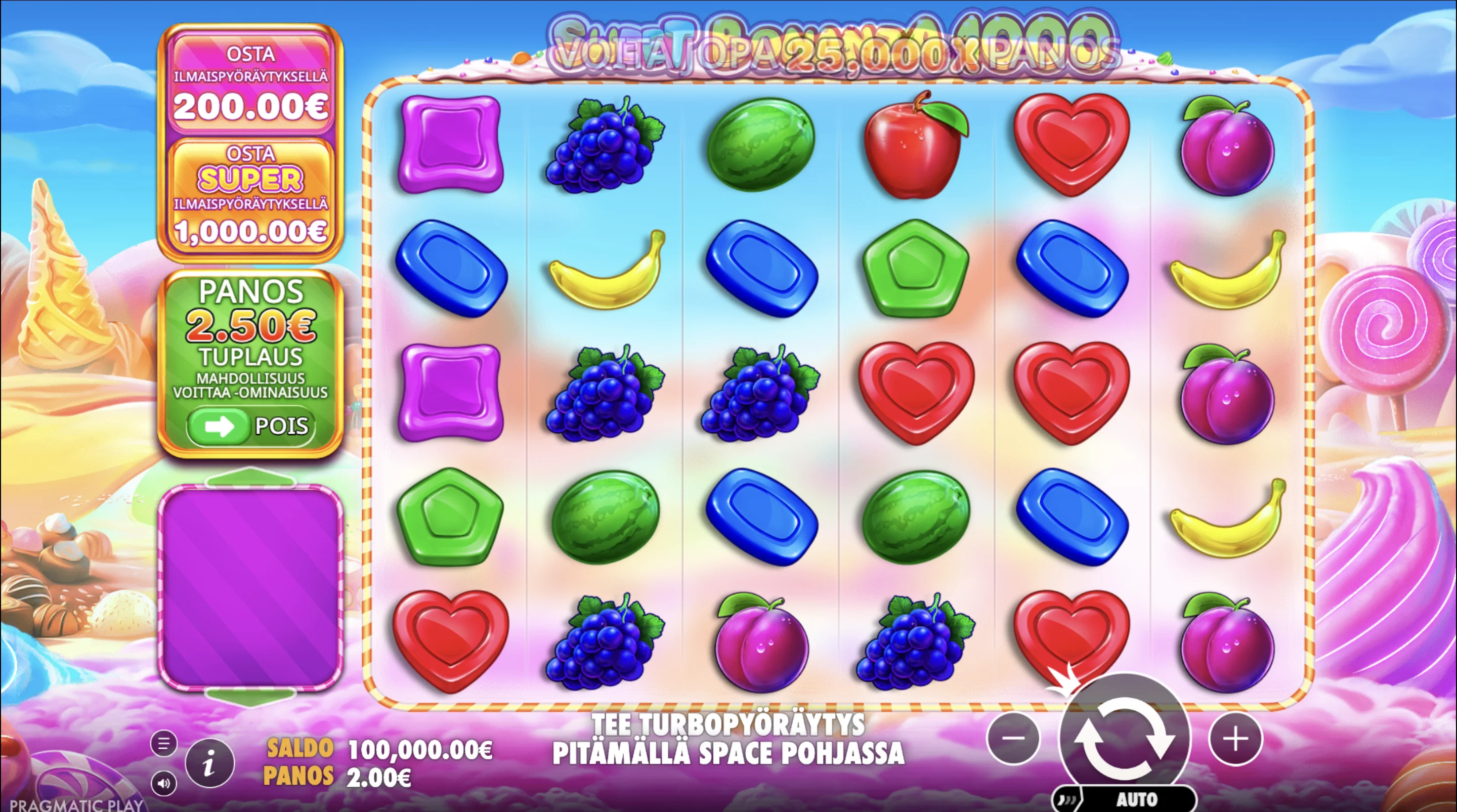
Bankroll management doesn't change the odds — it changes how long the bankroll lasts and whether normal variance ruins the session before it has a chance to balance out. For high-volatility pokies, the rules of thumb that hold up across testing are:
- Session bankroll: at least 200× the base bet.
- Stop-loss: 50% of session bankroll, applied as a hard limit.
- Take-profit: 200% of session bankroll (i.e., session double).
- Time slicing: daily, weekly, monthly budgets defined separately so a bad day doesn't blow the week's plan.
The practical example: a punter with A$100 a month for entertainment should treat each session as A$25, supporting bets of A$0.20 to A$0.40 — the minimum end of Sweet Bonanza's range. That gives 60–125 spins per session before stop-loss kicks in. Enough sample size for variance to express itself, but not enough for the bankroll to vanish.
Why 200× and not 100× or 50×? Because high-volatility pokies regularly produce big drawdowns within the first 100 spins. Simulation data on Sweet Bonanza specifically shows that about four sessions in ten will see the bankroll drop 50% before the bonus rounds start balancing things out. A 200× cushion lets you ride through that drawdown and still have spins left for the recovery. With a 100× cushion, you'd run out of spins about half the time before variance had a chance to balance. The maths is unforgiving on this point — bankroll sizing is the single biggest decision a punter makes, and it has to happen before the first spin, not in the middle of a session when the bankroll's already halfway gone.
Picking the Right Bet Size
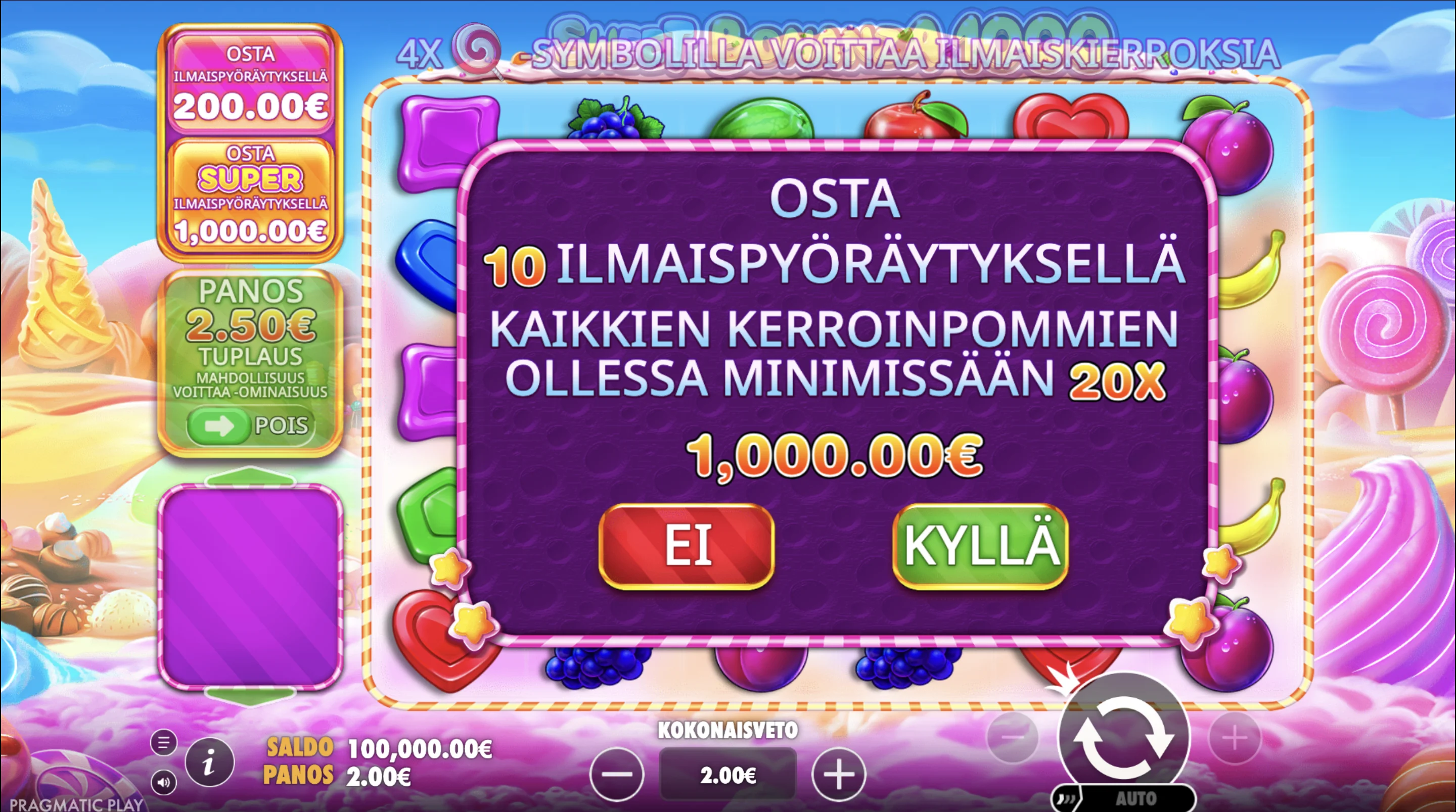
Bet size is how bankroll planning becomes real. The four punter profiles below show how different bankrolls map to sensible bets.
| Profile | Bet Size | Session Bankroll | Who It Suits |
| Conservative | A$0.20 – A$0.40 | A$40 – A$80 | Punters trying the slot, small monthly budget |
| Moderate | A$0.50 – A$2 | A$100 – A$400 | Regular Aussie players with weekly play money |
| Aggressive | A$2 – A$10 | A$400 – A$2,000 | Punters with substantial discretionary income |
| High Roller | A$10 – A$125 | A$2,000 – A$25,000 | VIP-tier players ready for high-volatility swings |
Ante Bet: Worth It or Not?
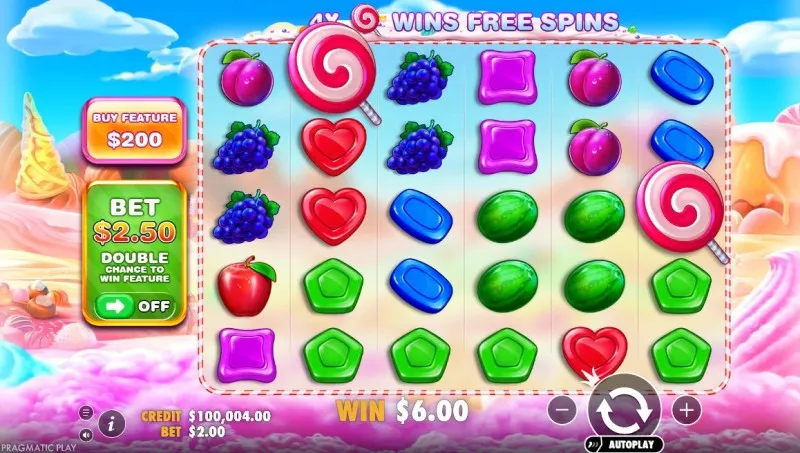
Ante Bet pumps each spin's cost up by 25% in exchange for roughly double the chance of triggering free spins. The thing affiliate sites get wrong: it does not improve the RTP. Activating Ante Bet redistributes variance, not value.
What actually changes:
- Free spins triggers happen more often — that's the upside.
- Base game wins drop in compensation.
- Each spin costs 25% more, so any given bankroll supports fewer spins.
Ante Bet makes sense for punters who specifically value the bonus round and have the bankroll to absorb the surcharge. For everyone else — especially anyone with a tight bankroll — leaving it off is the smarter call.
Bonus Buy: Doing the Maths

Bonus Buy lets punters buy direct entry into free spins for 100× the current bet. The certified RTP for this mode is 96.48%. Quick maths:
Expected return = 100× × 96.48% = 96.48× the stake
So each Bonus Buy carries an expected loss of 3.52% of the buy cost. Here's how that plays out across realistic volumes.
| Bonus Buys | Total Cost | Expected Return | Expected Net | Realistic Range |
| 10 | A$1,000 | A$964.80 | -A$35.20 | -A$700 to +A$2,500 |
| 50 | A$5,000 | A$4,824 | -A$176 | -A$2,500 to +A$8,000 |
| 100 | A$10,000 | A$9,648 | -A$352 | -A$4,000 to +A$15,000 |
The takeaways: Bonus Buy is just regular play at slightly worse RTP, packaged differently. It's not a profit hack. The variance is huge — most individual buys return less than the cost, with the occasional big one. And it's banned in the UK and Netherlands but available at Aussie-facing offshore casinos.
The honest reason punters use Bonus Buy is the same reason most pokie features exist: it's fun. Watching the free spins round trigger on demand, with multipliers stacking and tumbles cascading, is where the excitement of the game lives. If that's worth 3.52% expected loss per buy and you've got bankroll to absorb a losing streak, it's a defensible choice — same as paying for any other entertainment. The reason Bonus Buy gets people in trouble is when the buys start happening as loss-recovery rather than enjoyment. Once a punter is buying the bonus to "win back" prior losses, the maths flips from acceptable cost to expensive trap. Each buy is independent, the casino's edge applies fresh every time, and chasing losses through buys produces faster ruin than chasing them through base-game play.
Tumbles and the Hot-Streak Myth
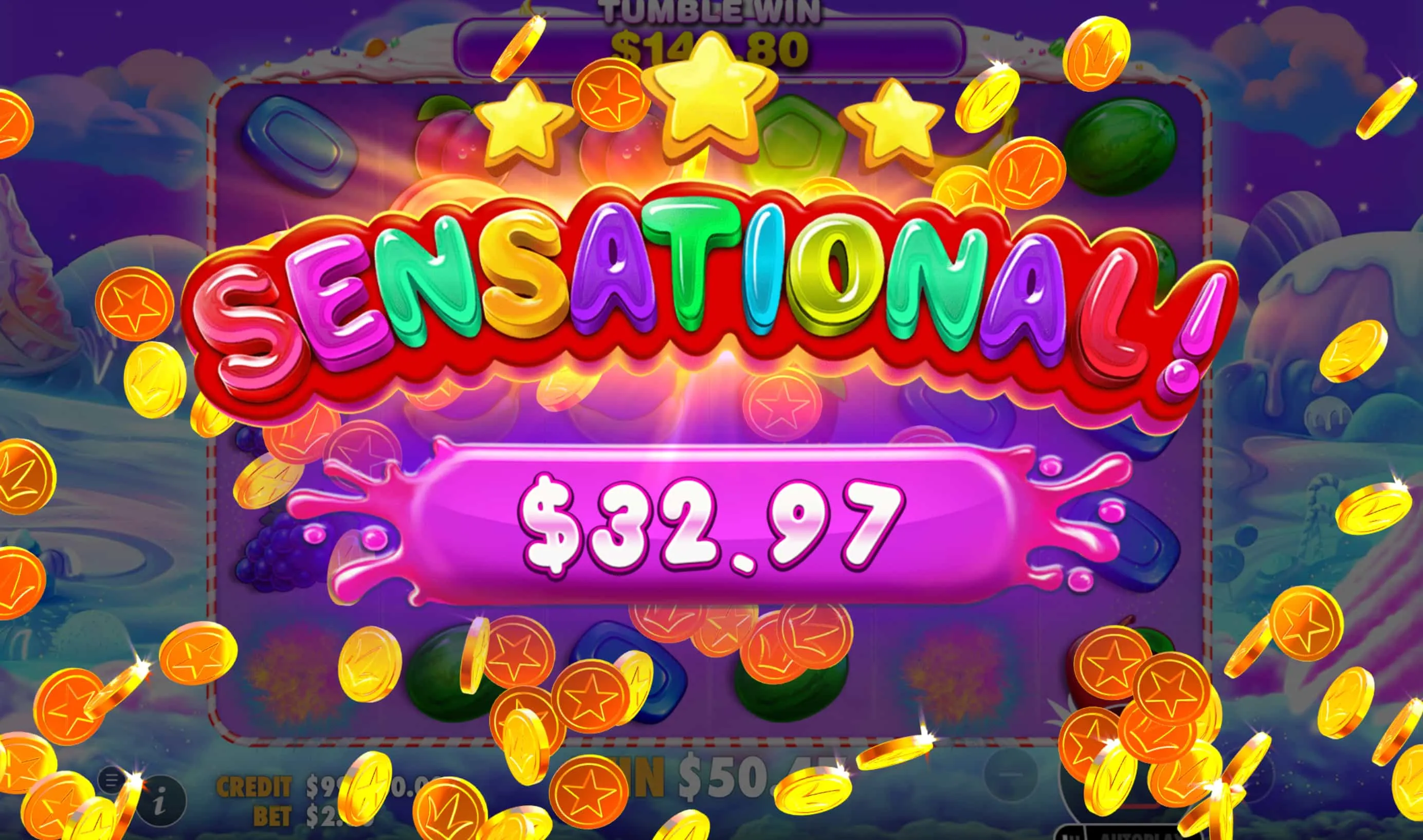
Each tumble in Sweet Bonanza is RNG-driven and statistically independent of the one before it. There's no momentum, no carry-over, no "the next one's going to be huge" pattern. What feels like a hot streak is the human brain doing what it does — finding patterns where there aren't any. This is the gambler's fallacy, and it's well-documented in cognitive psychology.
Practical takeaway: bet size should not be adjusted based on what just happened on the screen. Future tumbles don't care.
What to Do After a Big Free Spins Win
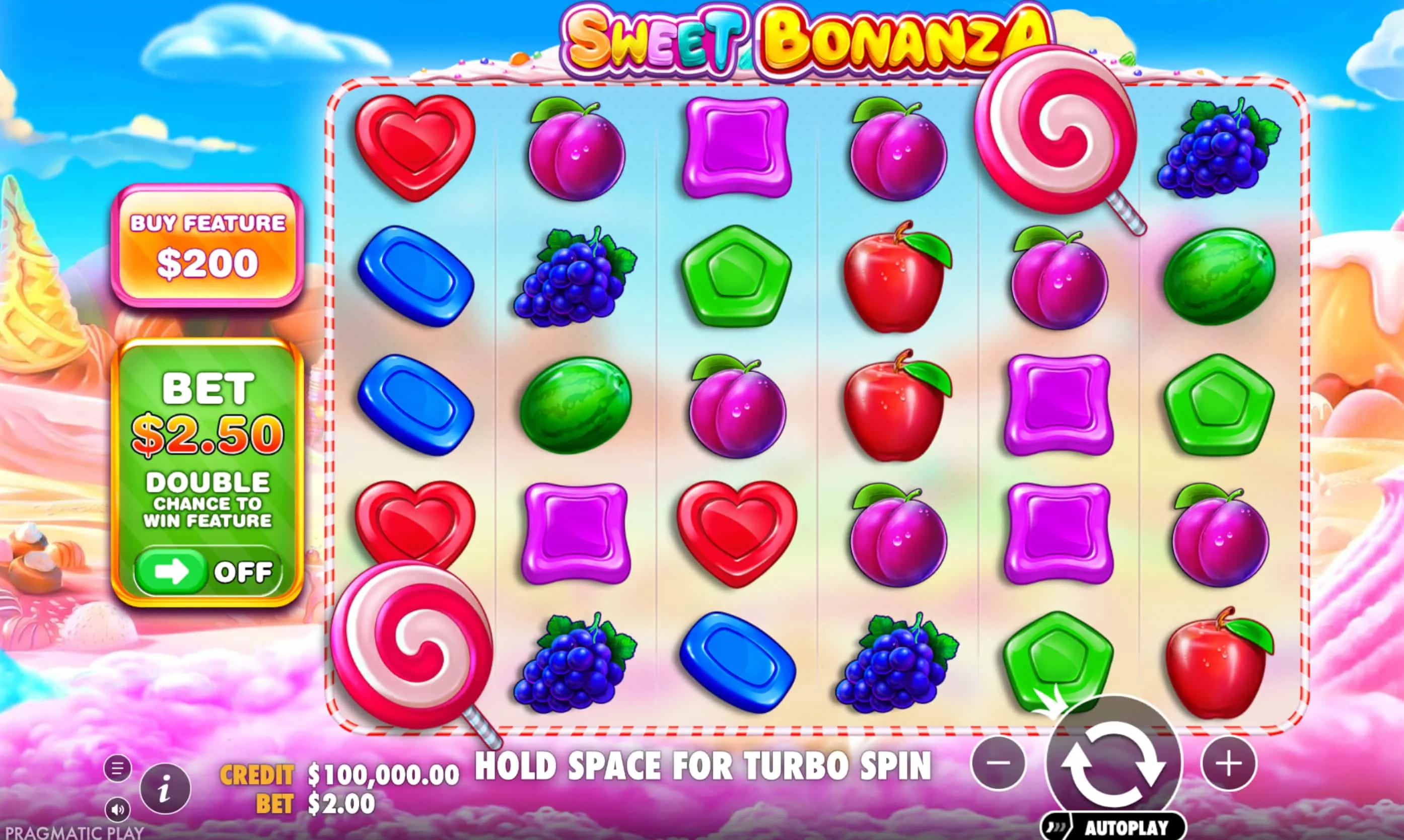
Common mistake: punters land a big free spins payout, get excited, and crank up the bet to "ride the streak". The RNG has no memory. The next spin's odds are exactly the same as before the big win.
Three rules:
- Bet size is set before the session and held constant. Mid-session changes break the bankroll plan.
- After a big win, partial cash-out is the smart move. Reinvesting all of it just exposes those winnings to the same house edge.
- After a dry spell, don't bet bigger to "catch up". Loss-chasing is the strongest behavioural marker for problem gambling.
Five Mistakes That Drain Bankrolls
- Buying the bonus to recover losses. Each Bonus Buy is its own independent expected-loss event. Chasing prior losses with feature buys compounds them.
- Not checking the RTP version. Some casinos run the 94.51% version. That's 57% more house edge than the default. The fix takes 30 seconds in the paytable.
- Playing without a stop-loss. High-volatility pokies regularly produce 50% drawdowns. A session without a hard stop-loss eventually eats the whole bankroll.
- No time limit. After 60–90 minutes of focused play, decision quality measurably drops. Tired punters make worse calls.
- Playing impaired. Alcohol, fatigue, stress — all degrade executive function. None help probabilistic thinking.
The Pre-Session Checklist Every Punter Should Run
A disciplined session starts before the first spin. This checklist puts everything above into action.
- Session bankroll defined in actual dollars (not "a percentage" or "as much as I feel like").
- Hard stop-loss at 50% of session bankroll.
- Hard take-profit at 200% of session bankroll.
- Time limit of 30–60 minutes.
- Casino-side deposit limits set in account settings.
- Reality check pop-ups enabled at 30-minute intervals.
- Bet size locked in before opening the game.
- RTP version verified in the in-game paytable.
When to Just Not Play
These aren't soft suggestions — they're documented red flags for harmful gambling patterns. Sessions should be paused until each is resolved.
- Trying to recover losses. The single strongest behavioural marker for problem gambling.
- Stressed, sad, angry, or anxious. Emotional states impair decision-making.
- Drinking or otherwise impaired. Alcohol and other substances measurably hurt probabilistic thinking.
- Already past the day's limit. Coming back after stop-loss converts a planned session into an unbounded one.
- Playing with money meant for something else. Bills, rent, food money — gambling with these multiplies financial risk.
Free, confidential help is always available: Gambling Help Online 1800 858 858 (24/7), Lifeline 13 11 14, and the BetStop national self-exclusion register at betstop.gov.au.
Strategy Questions Punters Always Ask
Is there a guaranteed winning strategy?
No. Sweet Bonanza uses a certified RNG with a 3.49% house edge in default mode. No betting pattern, system, or feature trick changes that. The strategies that genuinely help are about bankroll discipline — not the underlying odds.
Should Ante Bet always be activated?
No. Ante Bet doesn't change RTP — it shifts variance toward more frequent free spins. It's the right call only when free spins entry is the priority and the bankroll absorbs the 25% surcharge.
Is Bonus Buy worth the 100× cost?
Mathematically, no. The expected return is 96.48× the stake — that's an expected loss of 3.52% per buy. Bonus Buy is a variance preference (instant access), not a profit move.
What's the best bet size for a A$100 bankroll?
For high-volatility play, the bet shouldn't exceed 1/200th of the session bankroll. A A$100 monthly bankroll split into four A$25 sessions supports A$0.20 to A$0.40 bets.
How long should a session last?
60–90 minutes (about 600–900 spins) hits the sweet spot between getting enough sample size for variance to balance and not getting brain-fried. Past 90 minutes, decision quality drops faster than additional spins help.
Do pokies go through hot and cold cycles?
No. The RNG has no memory — every spin and every tumble is independent of every other. Apparent cycles are just the human brain finding patterns in random data.
Should punters cash out after big wins?
Partial cash-out is smart. Reinvesting everything exposes the new balance to the same house edge as the original deposit. The principle: lock in variance-derived gains.
Can a Martingale system work on Sweet Bonanza?
No. Martingale requires near-50% win odds and unlimited bankroll. Sweet Bonanza's hit frequency and the A$125 max bet both make Martingale guaranteed to fail eventually.
The Final Word
The honest end-state of any pokies strategy guide: punters can't beat the maths. What disciplined play does is preserve entertainment value within a known cost. A clear budget produces a known number of expected hours of play; within that envelope, variance provides sessions ranging from frustrating to memorable. Bankroll discipline, RTP checks, time limits, and the responsible gambling toolkit are the entire toolkit. Anything beyond that is sales talk. Punters who understand this will find Sweet Bonanza what it actually is — a polished, transparent pokie that's fun to play within sensible limits, not a path to riches.
The shift in mindset that separates the punters who enjoy pokies long-term from the ones who get burnt is honestly pretty simple: stop trying to beat the slot, start managing exposure to it. Once you accept that the house edge is fixed and that no system changes it, the question becomes how much entertainment per dollar you're getting. With a defined budget and disciplined session structure, Sweet Bonanza delivers genuinely good entertainment value — bright visuals, varied bonus rounds, occasional big wins that make a session memorable. Without that framework, the same game becomes an expensive frustration. The maths doesn't change. Only the punter's relationship to it does.